What A Pub Garden Taught Us About Building A Festival
We spent about a year planning a festival for five thousand people at Leigh Miners Welfare. Then we spent one Saturday in August running a much smaller one in the garden of a pub in Glazebury, and learned more from the small one than from all the planning.
The Garden Party at The Comfortable Gill was a near sell-out. Around 350 people came through the gate across the day. On paper it was a warm-up — a chance to test the ticketing, the bar, the scanning, the running order, all the machinery you would rather break in front of three hundred people than five thousand.
That is not what it turned out to be. What it actually was is the clearest look we have ever had at who comes to our events, and what a site has to do for them.
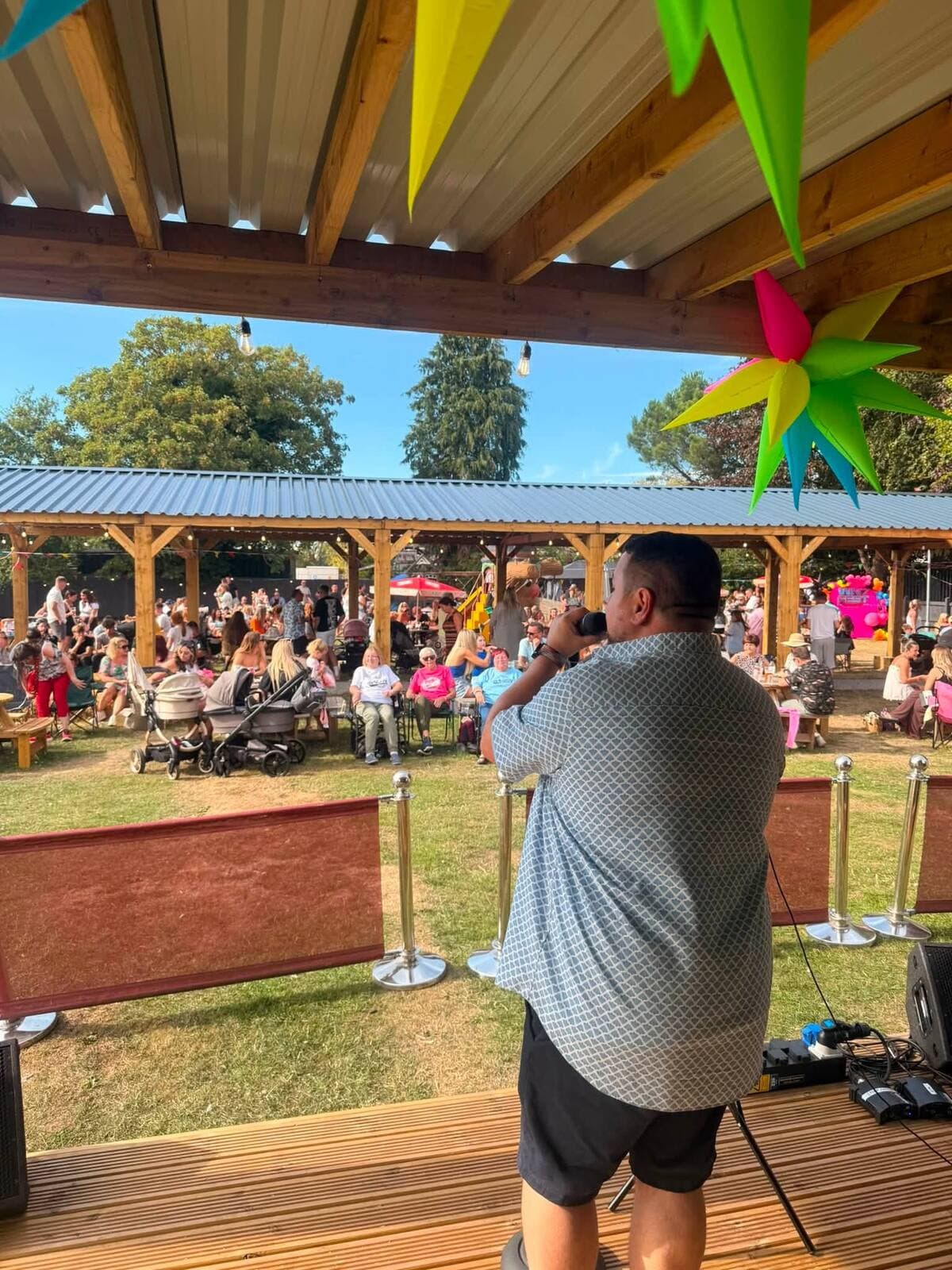
A Field With Nowhere To Hide
A pub garden has no wings. No backstage compound, no long walk from the gate to the arena, no space to tuck the unglamorous parts of an event out of sight. Everything is in the same view: the stage, the bar, the bins, the queue for the toilets, the kids, the sound desk.
At a big site you can hide a bad decision behind distance. At the Gill you cannot. If the route from the gate to the seating is awkward, you watch every single person be inconvenienced by it, in real time, for nine hours. If the bar queue crosses the path to the family area, you see the collision happen two hundred times.
It is an uncomfortable way to run an event and an extremely efficient way to learn.
Ground Is The Whole Game
Here is the thing we underestimated most, and it is not the lineup or the sound or the running order. It is the floor.
The Gill's garden is flat, firm and short. That single fact did more for the day than anything we actively decided. It meant a wheelchair could get from the gate to the front. It meant a pram could be pushed one-handed while the other hand held a drink. It meant somebody on a walking frame could reach the seating without a member of staff being summoned. It meant nobody spent the afternoon watching where their feet were going instead of watching the stage.
None of those people were a special case. They were just people at a festival, and the ground let them be.
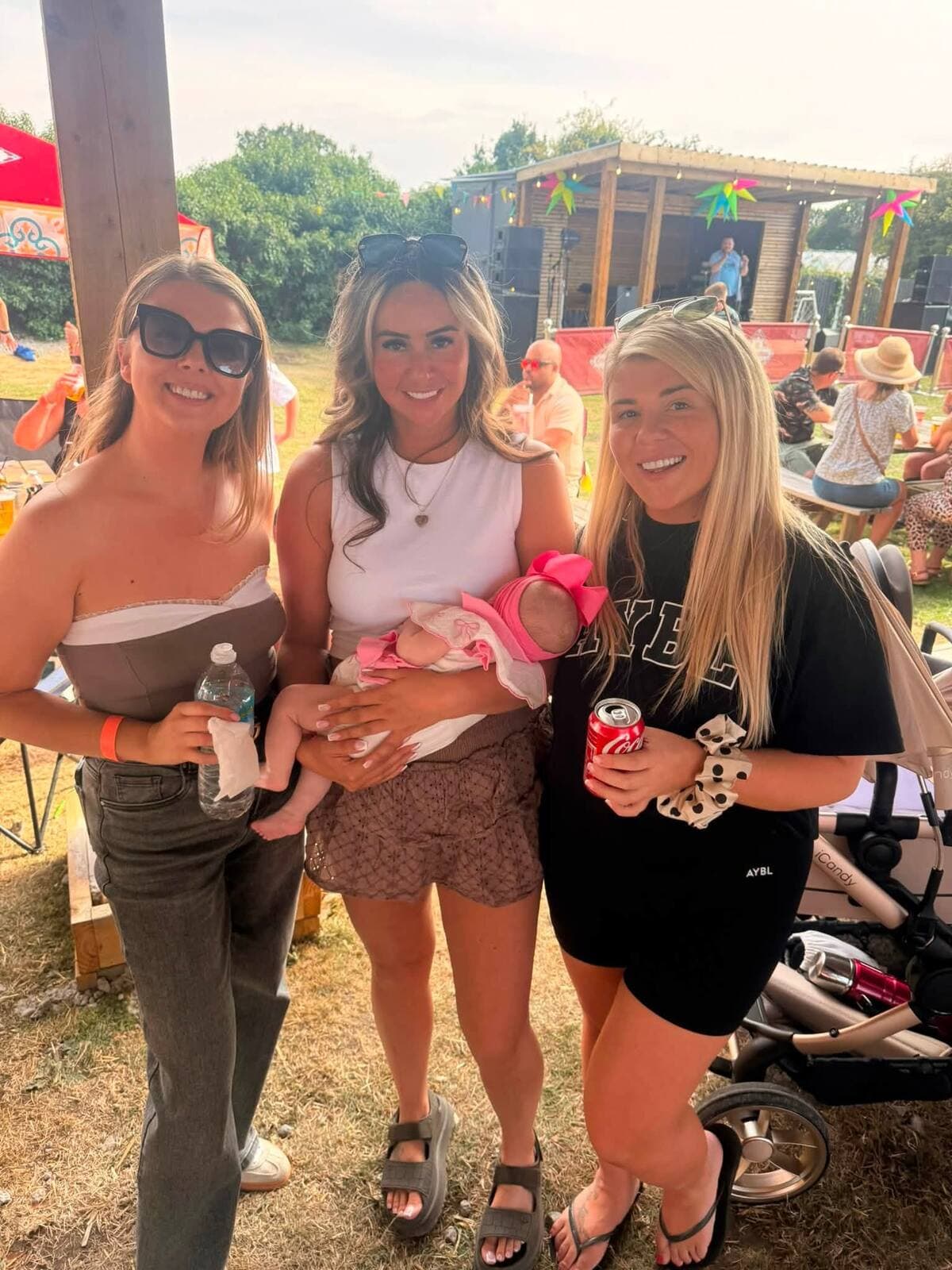
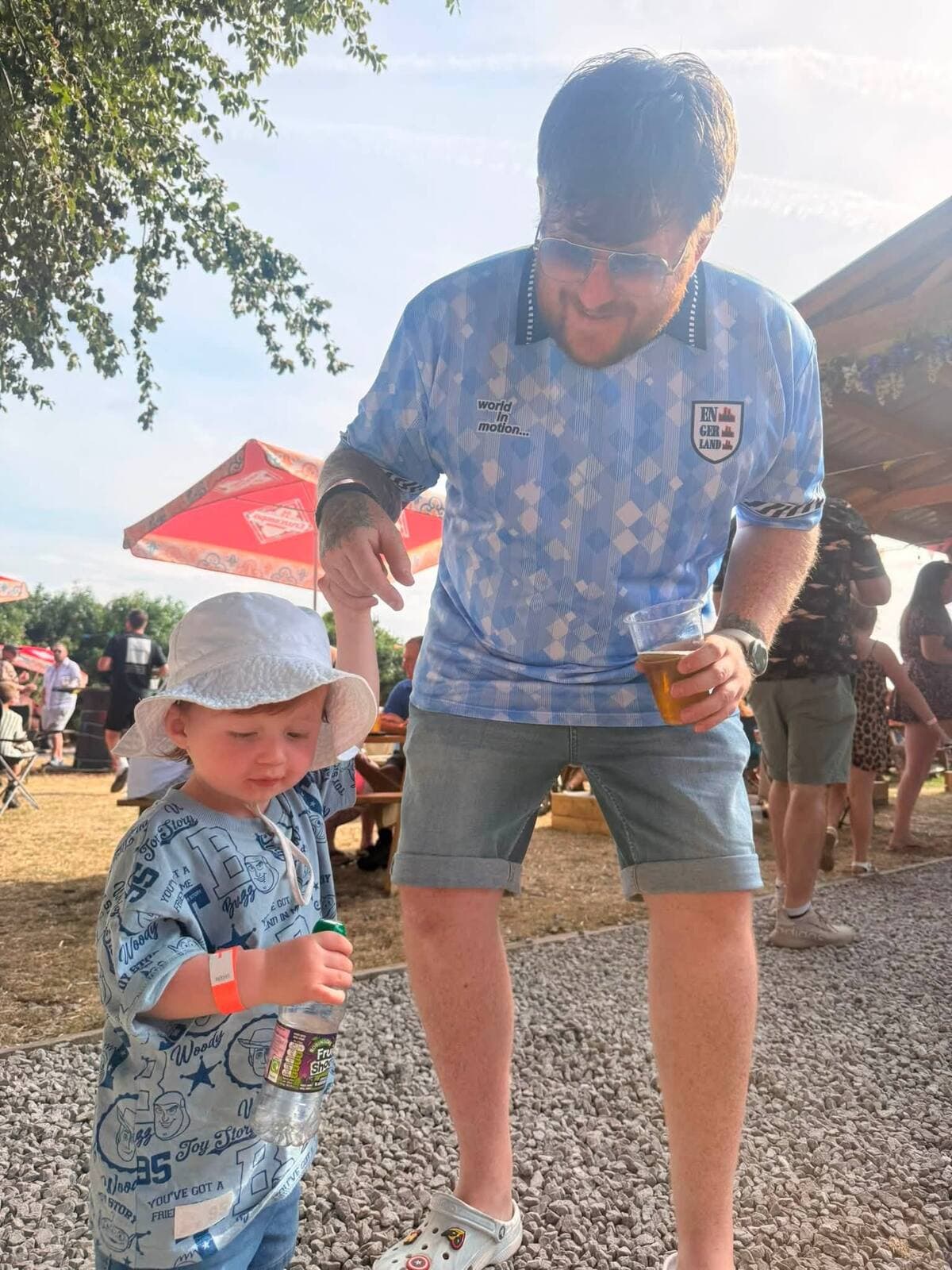
Flat ground, short distances, everything within sight of everything else
We have been to plenty of events where that is not true — where the accessible route is a separate thing you have to ask about, signposted badly, arriving at a designated area off to one side with a worse view. That approach treats access as a category of person to be accommodated. What the Gill accidentally demonstrated is that if the ground is right, there is no category. Everybody uses the same route because the route works.
That is a much better outcome, and it is achievable by design rather than by luck. It just has to be decided early, when you are drawing the site, not late, when you are answering emails about it.
The Ride Never Stopped
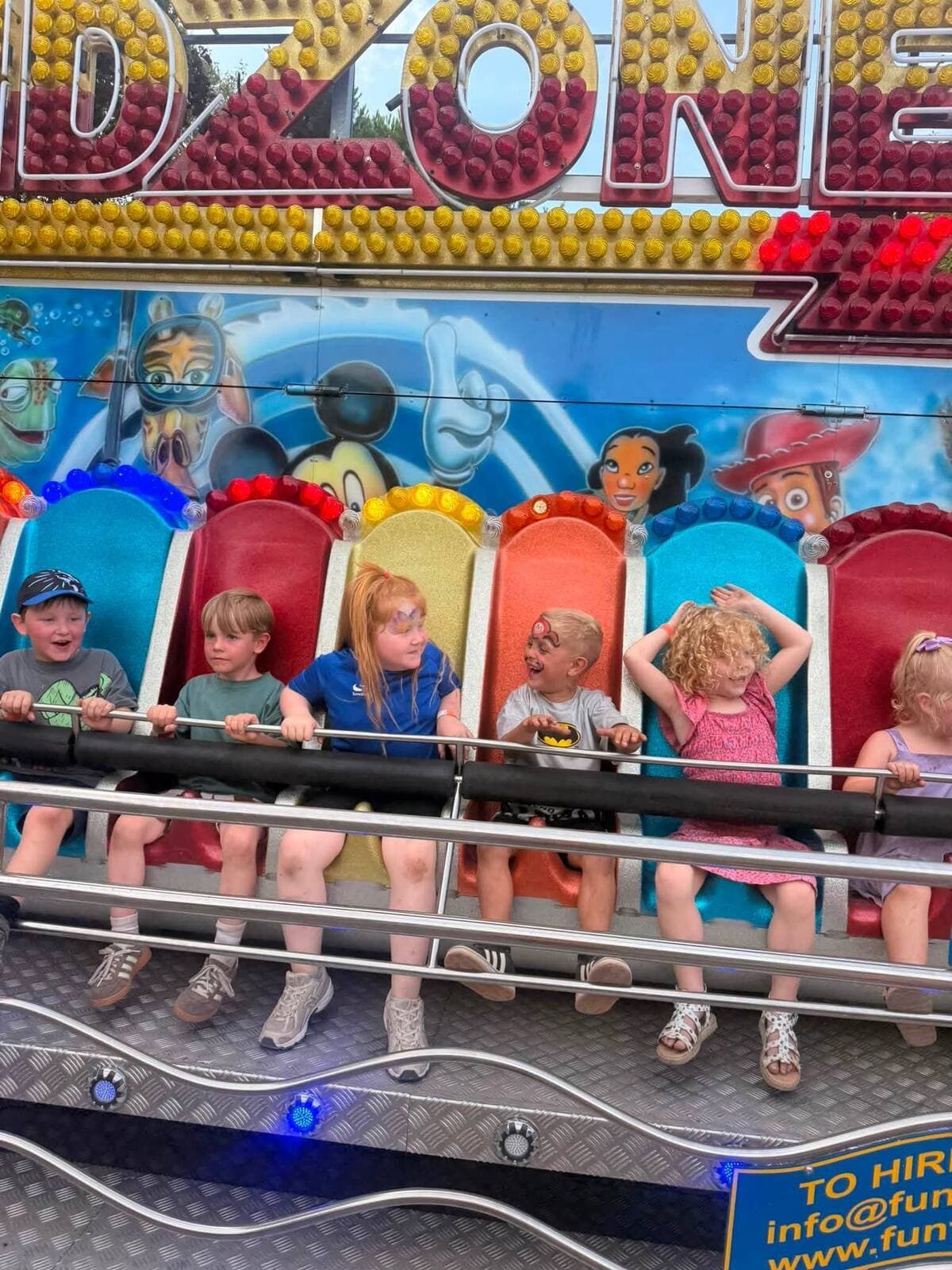
We put one fairground ride in the corner. It ran, without exaggeration, all day.
What we had not appreciated is what a single ride does to the shape of a family's afternoon. It is not really about the ride. It is that it gives children somewhere to go that is theirs, in sight of where the adults are sitting, without anybody having to leave the field. A parent can watch a set and watch their child at the same time. Nobody has to be the one who misses it.
The families who stayed longest were the ones who could do both at once. That is a design principle, not a coincidence, and it is worth a great deal more than a ride costs.
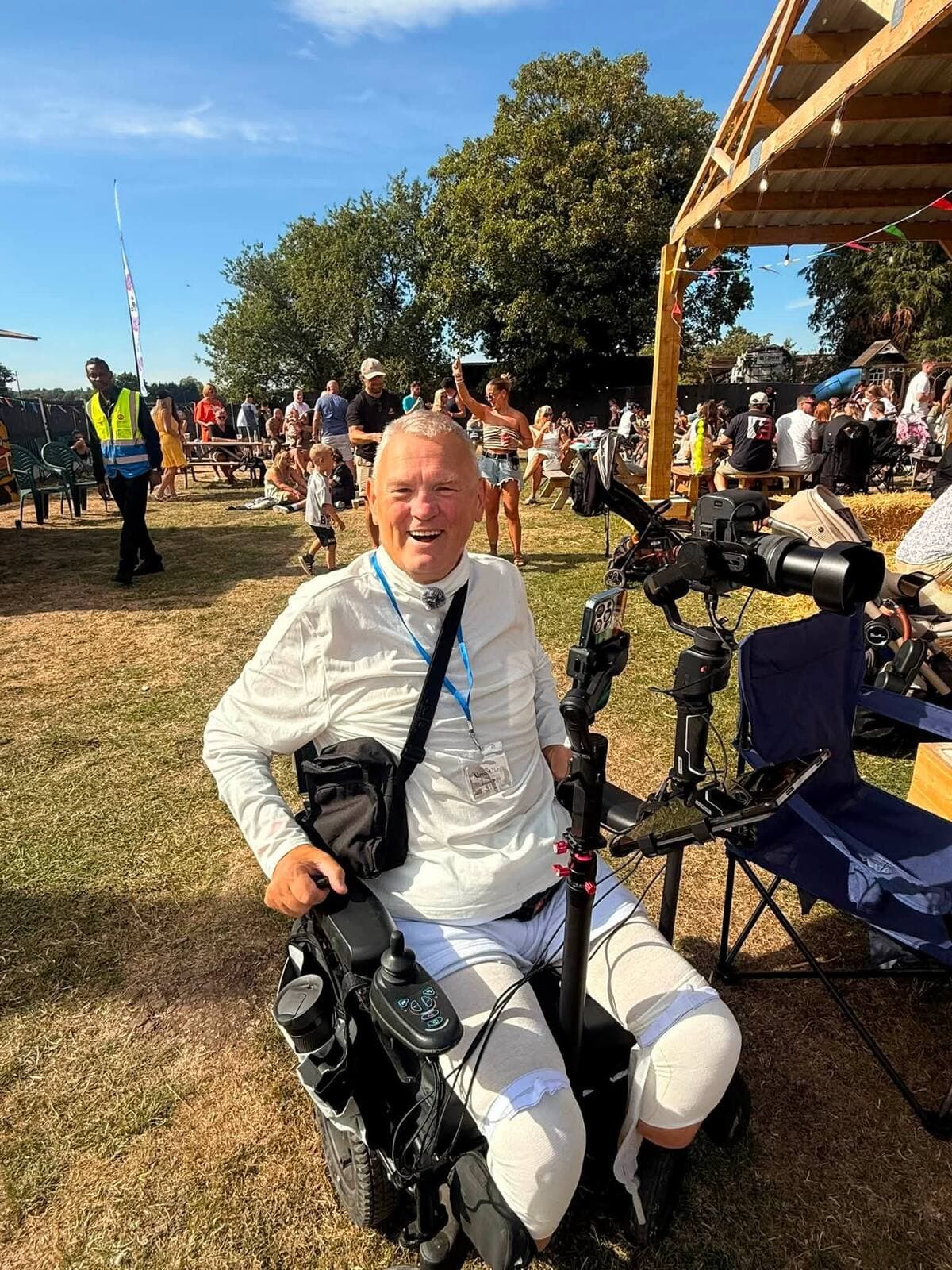
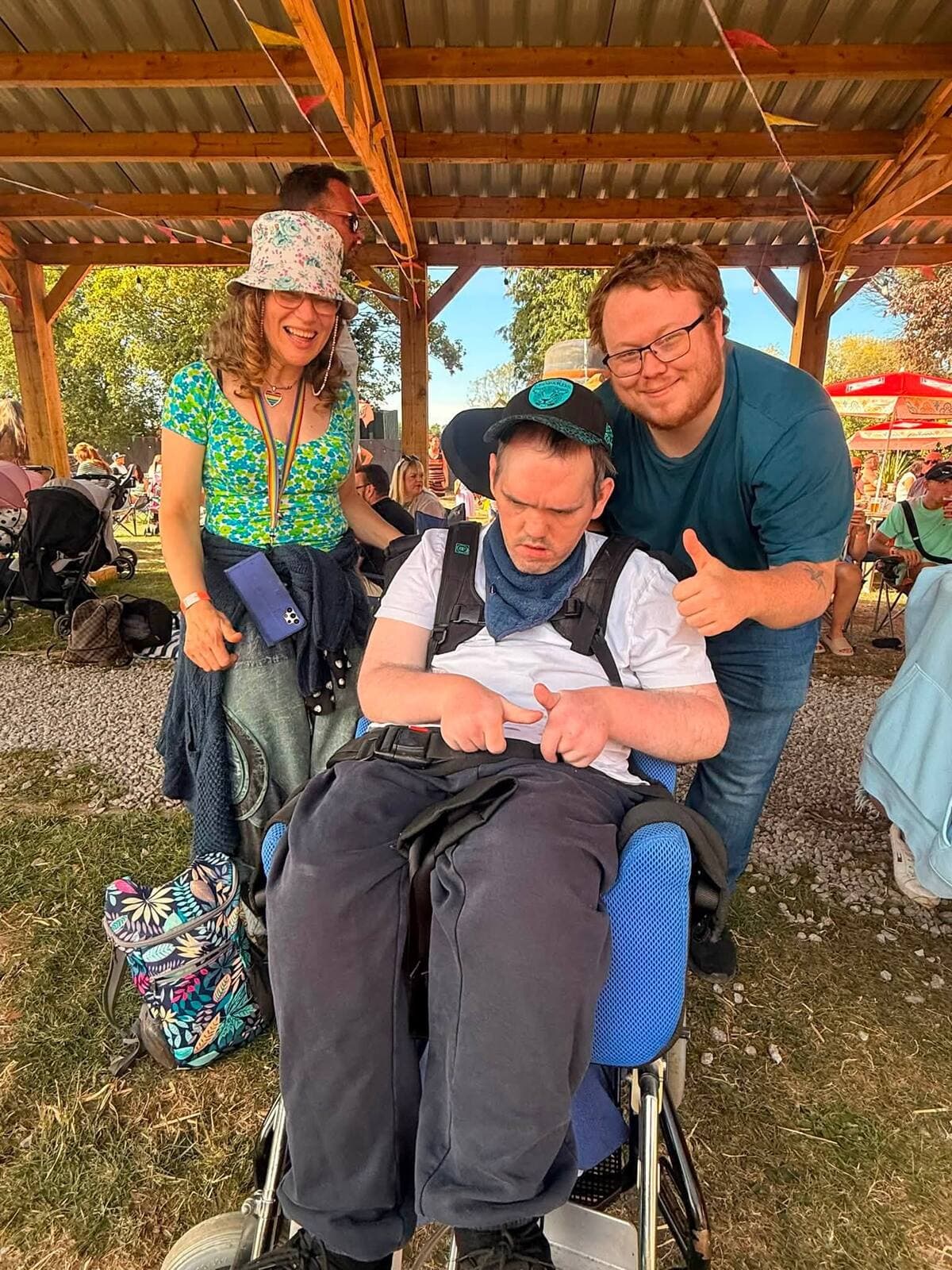
The stage at the near end, so nobody had to choose between the music and a seat
One Field, Everybody In It
The mix at the Gill was wider than anything we have run before. Prams and pints. Deck chairs and hay bales. Grandparents who came for the afternoon and stayed until the DJ. Teenagers at the barrier. People who came for one specific act and people who came because it was a nice day and something was on.
They were not separated into zones. There was no family enclosure and no over-18 area. They were in one field, and it worked — not because everybody wanted the same thing, but because the space let them all get what they came for without getting in each other's way.
A crowd with grandparents in it behaves differently. Nobody plans it that way and it is not something you can put in a risk assessment, but it is real, and it is the thing we would most like to keep as we scale up.
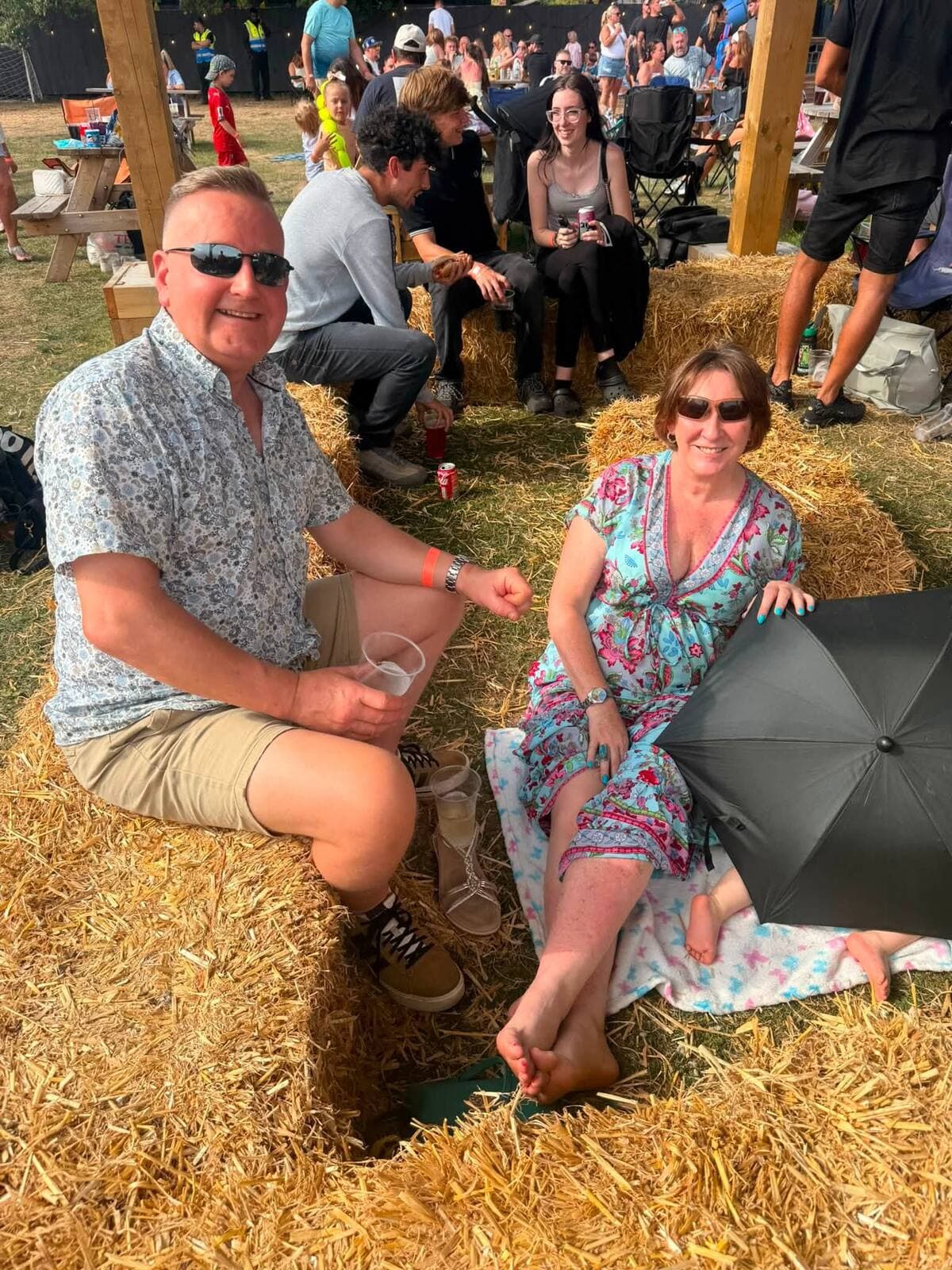
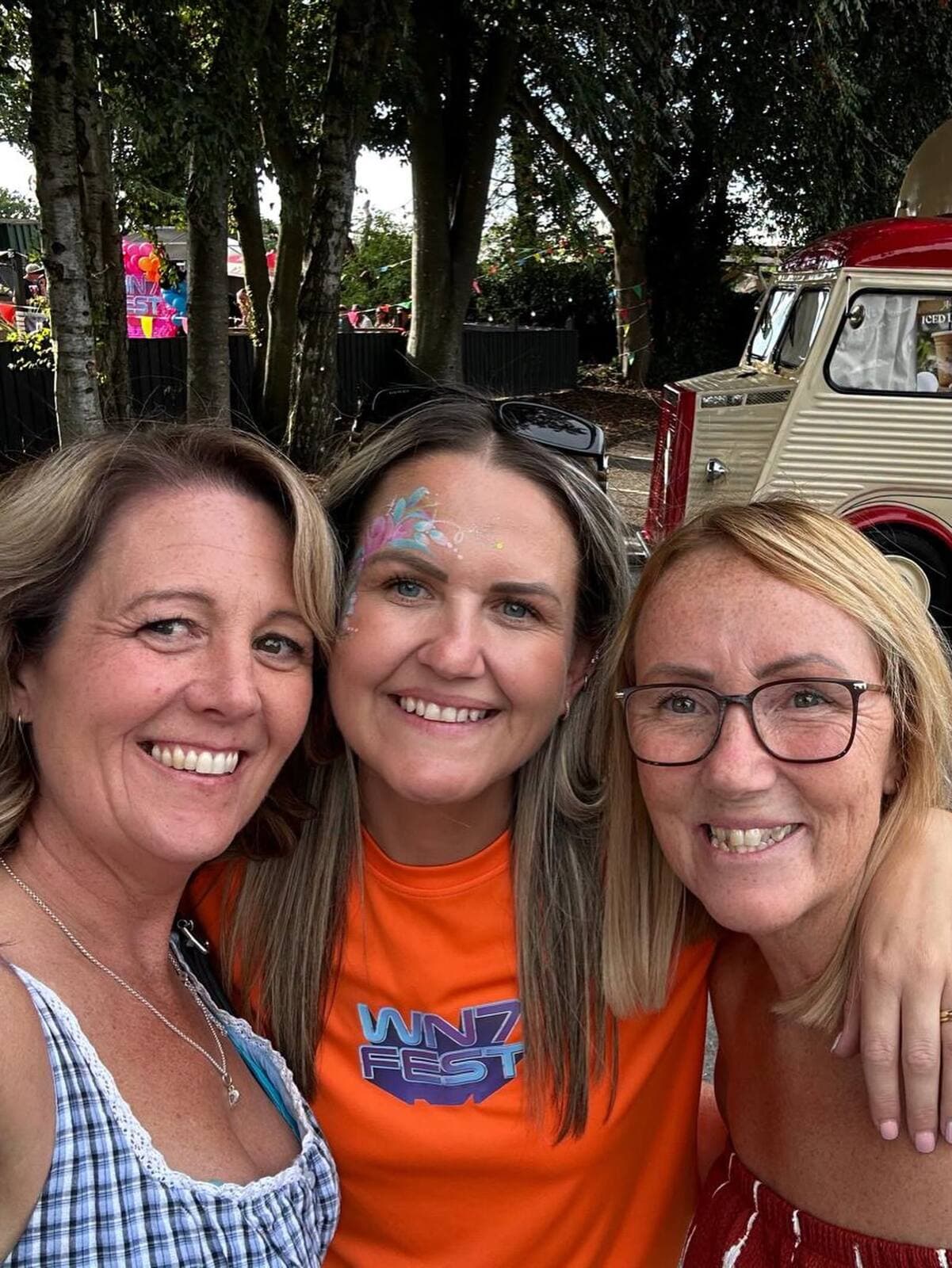
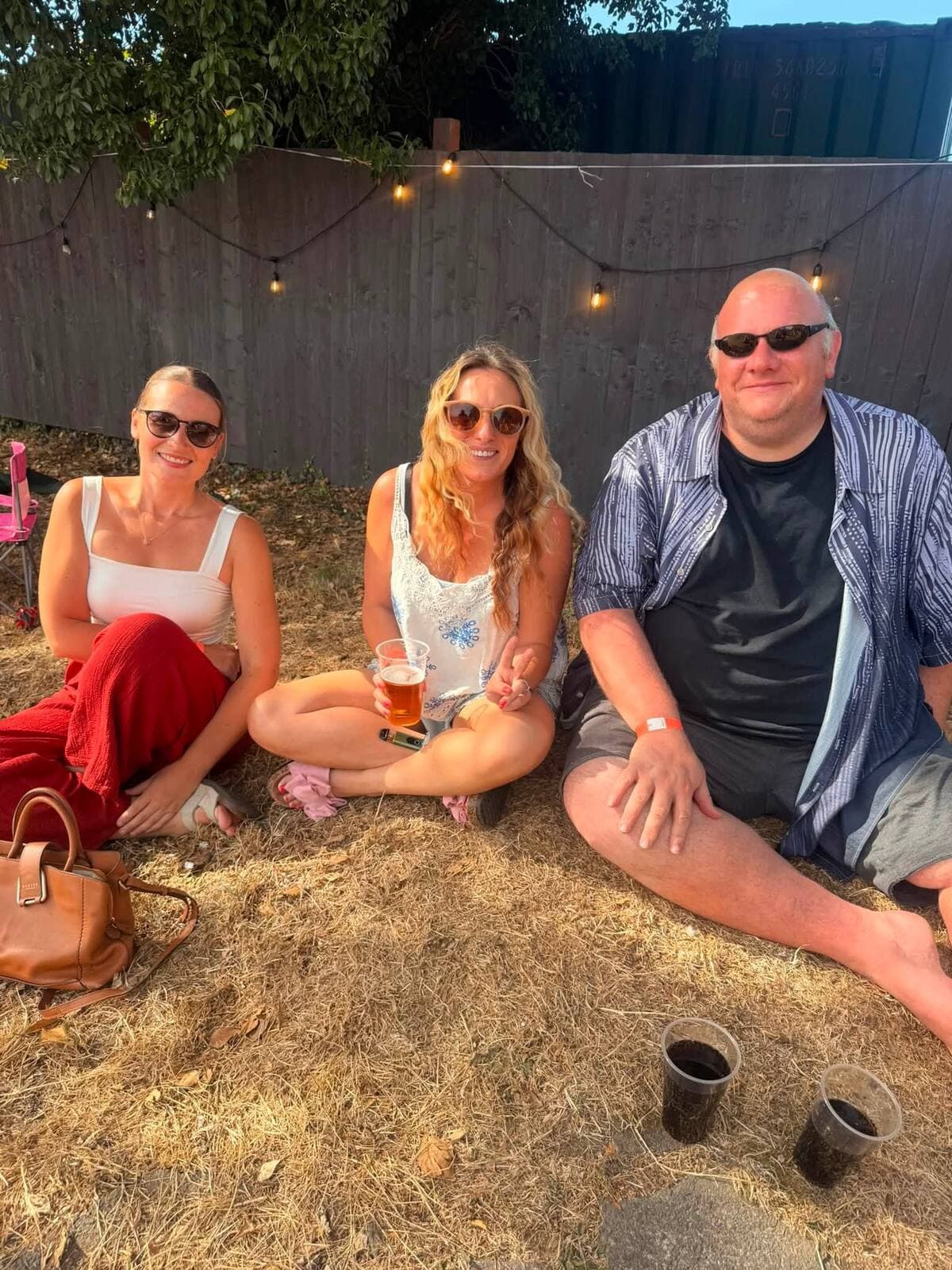
Hay bales, deck chairs and standing room, all in the same sightline
What Changes For Leigh Miners
Leigh Miners Welfare is a much bigger site than a pub garden, and bigger sites make it easier to get this wrong. Distance creeps in. Areas get separated because separating them is administratively simpler. Access becomes a route rather than a principle.
So we are building the 2027 site plan around what the Gill proved:
- Firm, level ground on every route people actually use, not just a designated one.
- Sightlines from the seating and from the family area to the stage, so that sitting down or having a small child does not mean giving up the show.
- Children's provision inside the field rather than off at the edge of it.
- Toilets, bars and food positioned so the queues do not cut across the paths.
- One crowd, in one space, on one ticket.
We will publish the site plan properly closer to the time, including the accessible route, parking and where everything sits, so you can decide before you buy rather than find out on the day.
The Weekender is on Friday 11 and Saturday 12 June 2027 at Leigh Miners Welfare in Leigh. It will be considerably larger than the Garden Party. We would like it to feel exactly the same.
Same Welcome, Bigger Site
WN7 FEST 2027 is two days at Leigh Miners Welfare — Country Music Day on Friday 11 June and the Family Festival on Saturday 12 June.